About Nick Milak
I have spent most of my life around food.
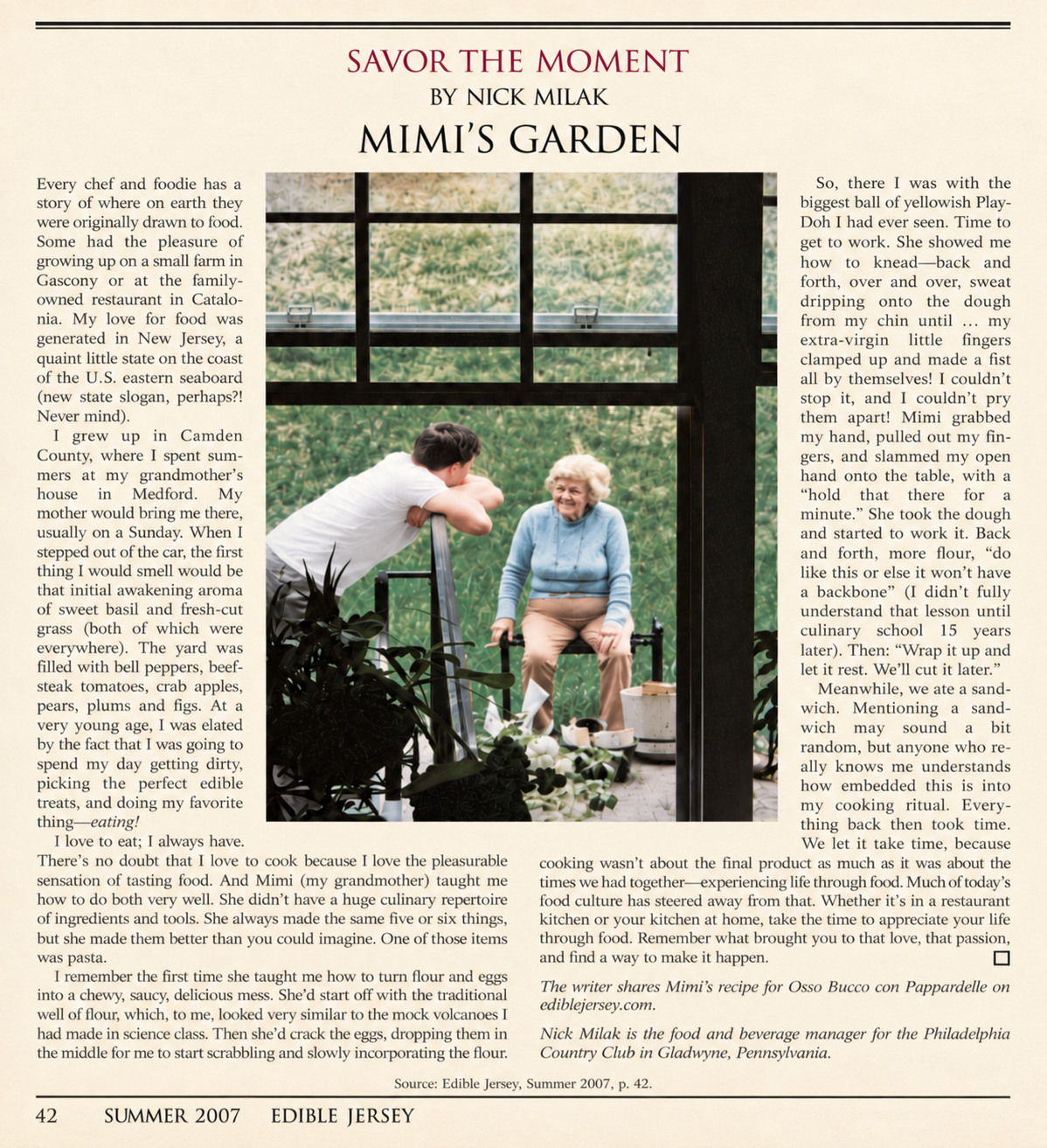
I grew up working in restaurants, but when I went to Arcadia University, I initially chose a different path. I studied business and finance with my sights set on Wall Street. By my second year, though, I was wrestling with the idea of returning to cooking. It felt like a significant pivot—and not necessarily the sensible one.
Around that time, my grandmother gave me a piece of advice that changed the direction of my life. Her words, as I remember them, were simple: “If you really want to see what it’s like when food is the culture, go to Italy. And go somewhere they don’t speak English.”
So in 2003, I did. I spent a semester in Perugia, Italy, and apprenticed at Antica Trattoria San Lorenzo. It was there that I began to understand food differently—not simply as something prepared and served, but as an expression of place, shaped by agriculture, season, tradition, and the people gathered around the table.
When I returned to New Jersey, I brought home the idea for Café Biga. The restaurant never opened, but the name—and much of what Italy had taught me—stayed with me.
I went on to study at The Culinary Institute of America and train in the Philadelphia kitchens of Le Bec Fin, Vetri, and the Four Seasons. Since then, I’ve spent 20 years building a career as a private chef and estate manager.
Twenty years later, the name finally found its place—not on a restaurant, but on Biga Sourdough.
Place and community were always central to the idea. Biga began in my home, baking for friends and family, and eventually found a larger home at First United Methodist Church of Westfield. Friends at the church encouraged me to think about what Biga could become beyond my own kitchen—and how we might make a broader impact together.
That collaboration quickly gave Biga its north star: make thoughtfully crafted bread available to the people who seek it, while helping put the same bread on the tables of neighbors for whom it might otherwise be out of reach.
Bread eventually gave me a reason to revisit many of the questions that first interested me in Italy. I became deeply absorbed in sourdough, regional grains, milling, fermentation, baking traditions, and the small decisions that separate a good loaf from a great one. The more I learned, the more the story seemed to begin long before the dough reached my hands.
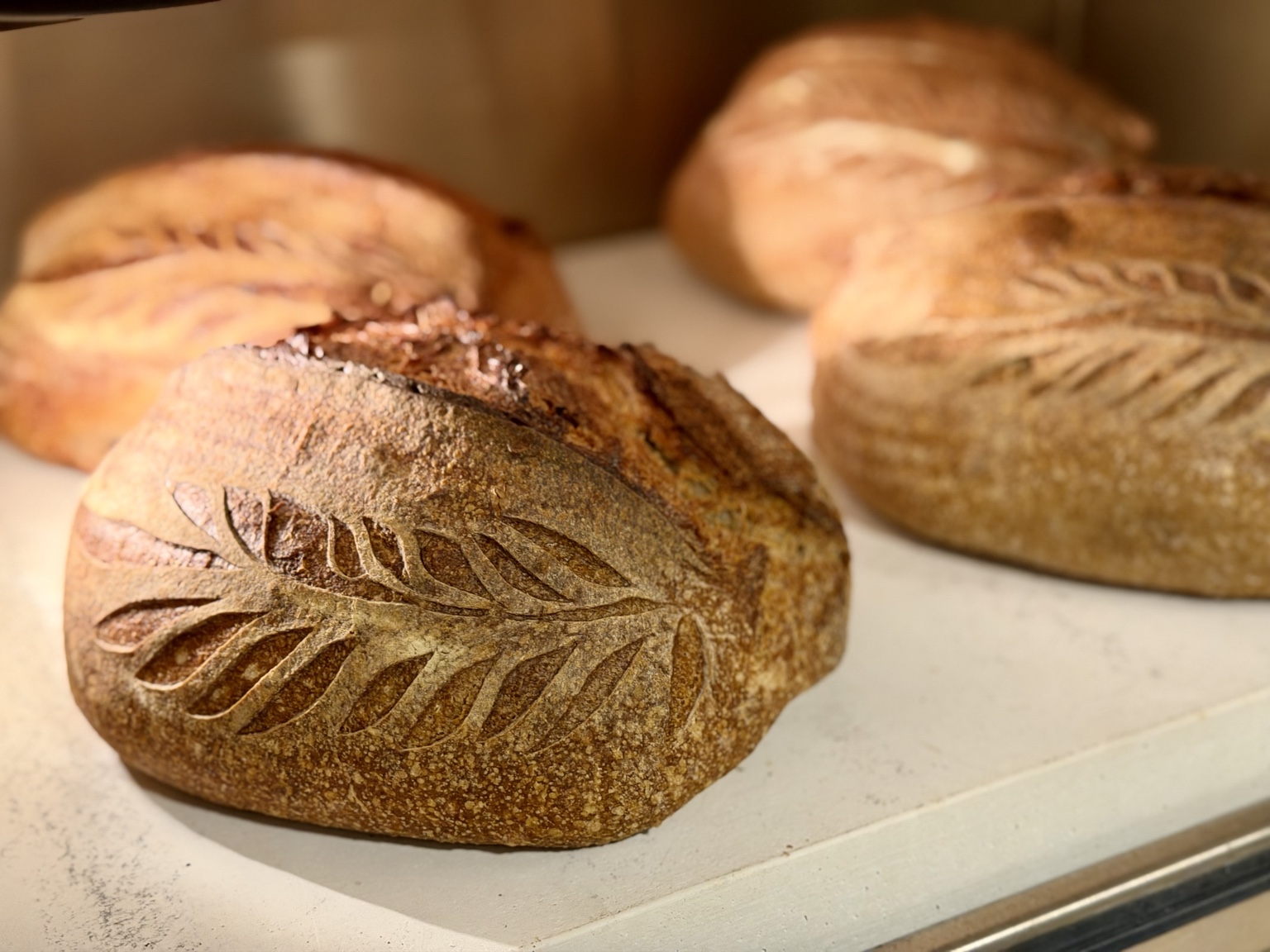
Today, Biga works with grains grown throughout the Northeast and Midwest, chosen for flavor, character, and a clear connection to the people and places behind them. I want to know what I am baking with, who grew it, how it was milled, and what that grain can become with time and fermentation.
For me, that also means allowing the grain to shape the bread, rather than always asking the grain to conform to the formula. Each harvest carries the realities of the season and the field. My responsibility as a baker is to understand those differences, adapt the process, and make the most of what the farmer has grown.
Farmers grow the grain. Millers reveal its character. My job is to understand what arrives and carry that work forward.
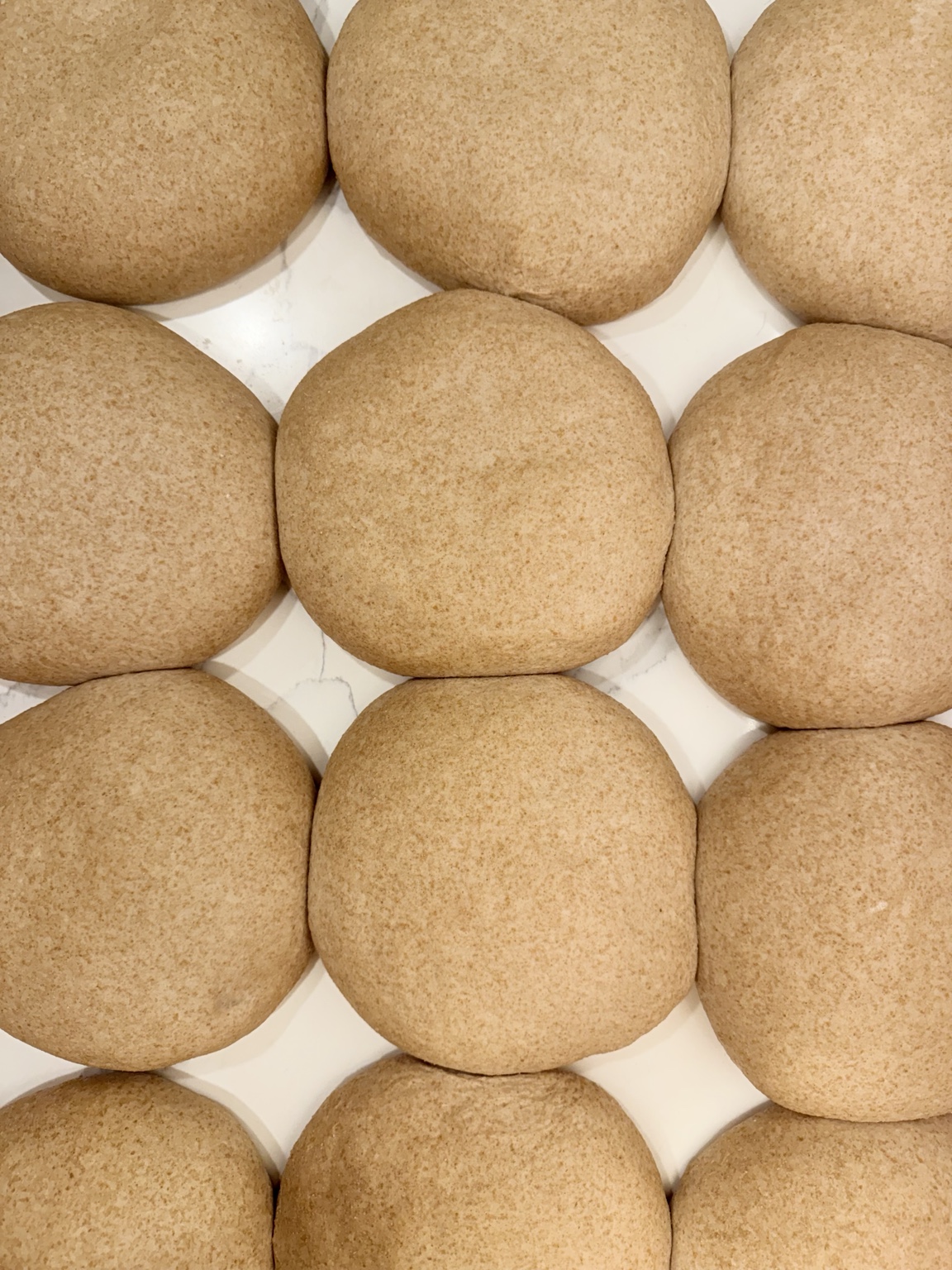
Today, the FUMC Bread Ministry gives that idea a practical form: part of each bake is shared with neighbors in the local community.
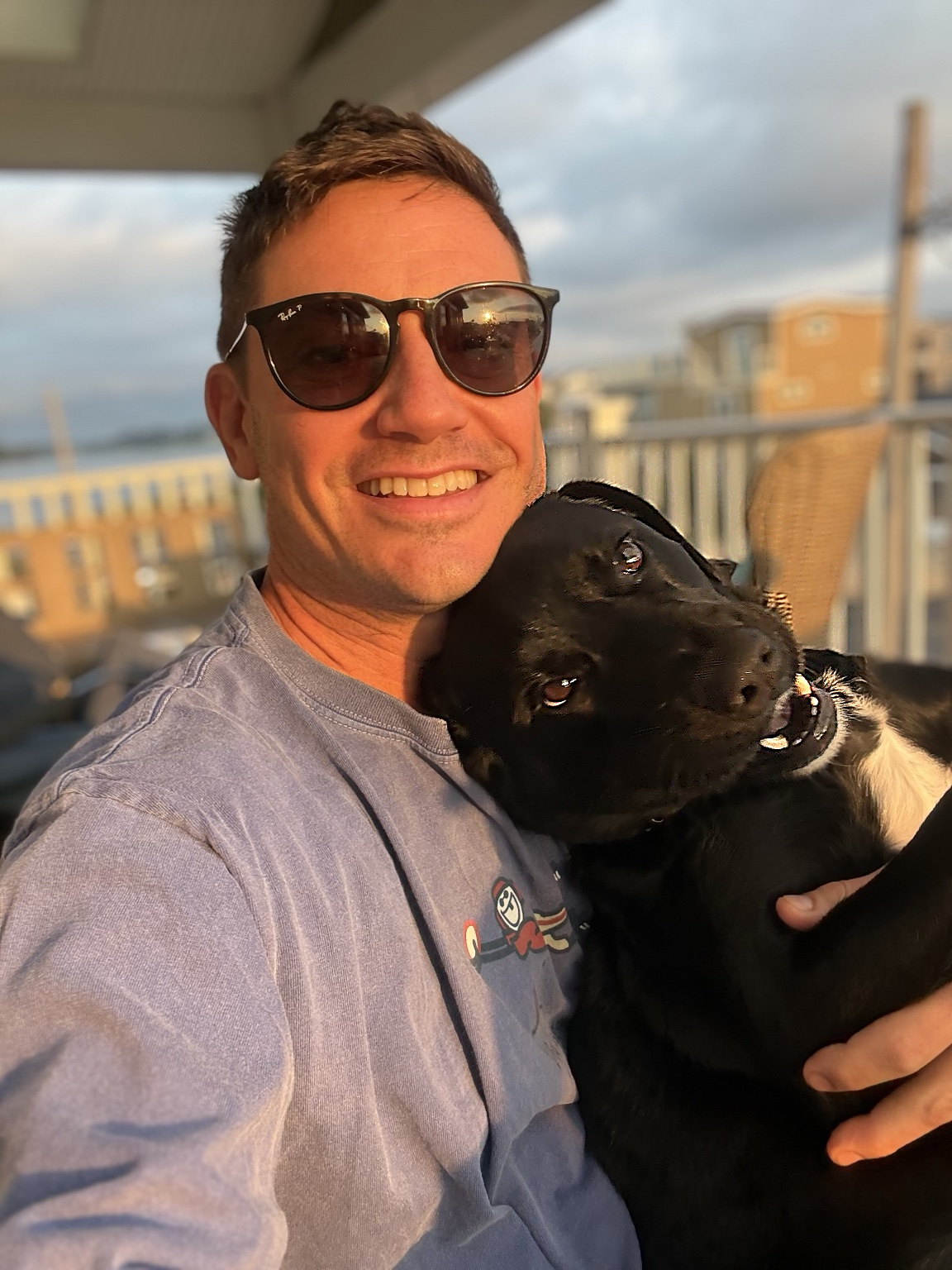
Biga is rooted in Westfield, New Jersey, where I live with my wife, two children, and our dog, Bubba. It remains a small, evolving project—growing one bake at a time.
Know the grain. Know the people behind it. Give fermentation the time it deserves. Make bread worth sharing.