$18
Classic Country
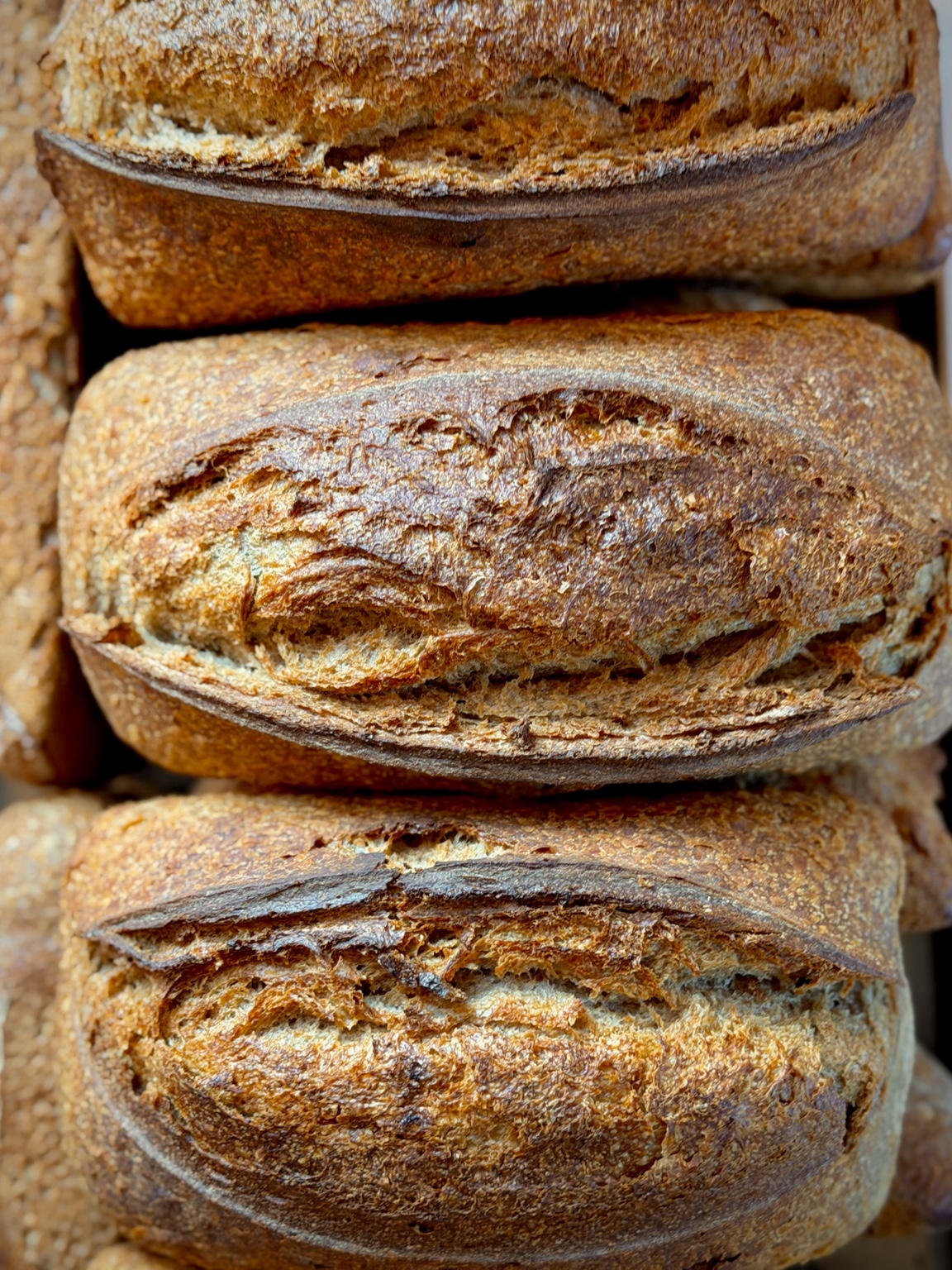
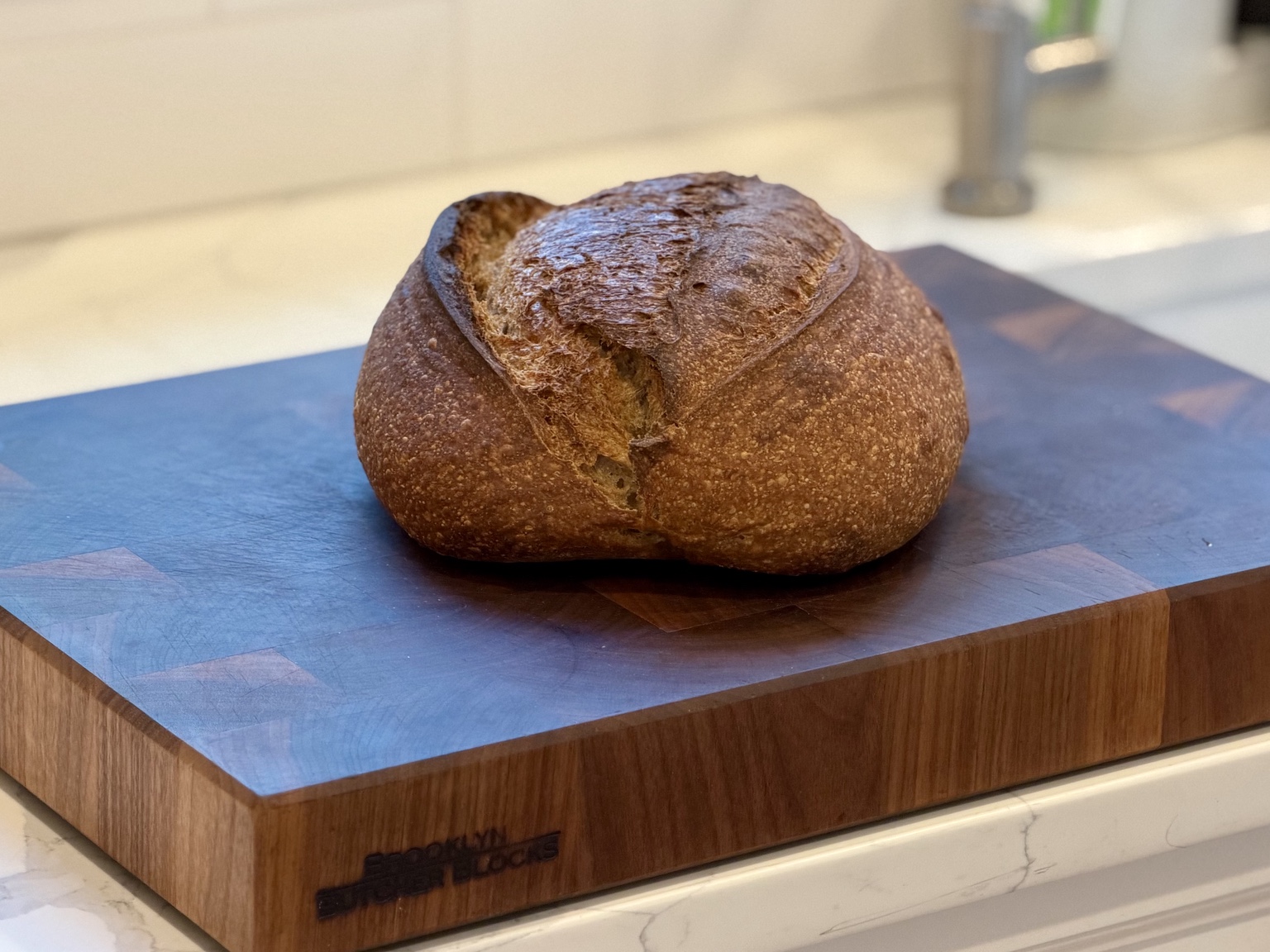
Spelt, einkorn, rye and Rouge de Bordeaux round out our flagship loaf — aromatic and deeply wheaty, with subtle sweetness, a caramelized crust, and a tender, open crumb.
Westfield, New Jersey · October 4, 2026 bread drop · Pre-order only
Naturally leavened sourdough made with organic whole grains, long fermentation, and a mission to put nourishing bread on every table.
See current prices and availability when you reserve.
Reserve a loafOur Bread
Spelt, einkorn, rye and Rouge de Bordeaux round out our flagship loaf — aromatic and deeply wheaty, with subtle sweetness, a caramelized crust, and a tender, open crumb.
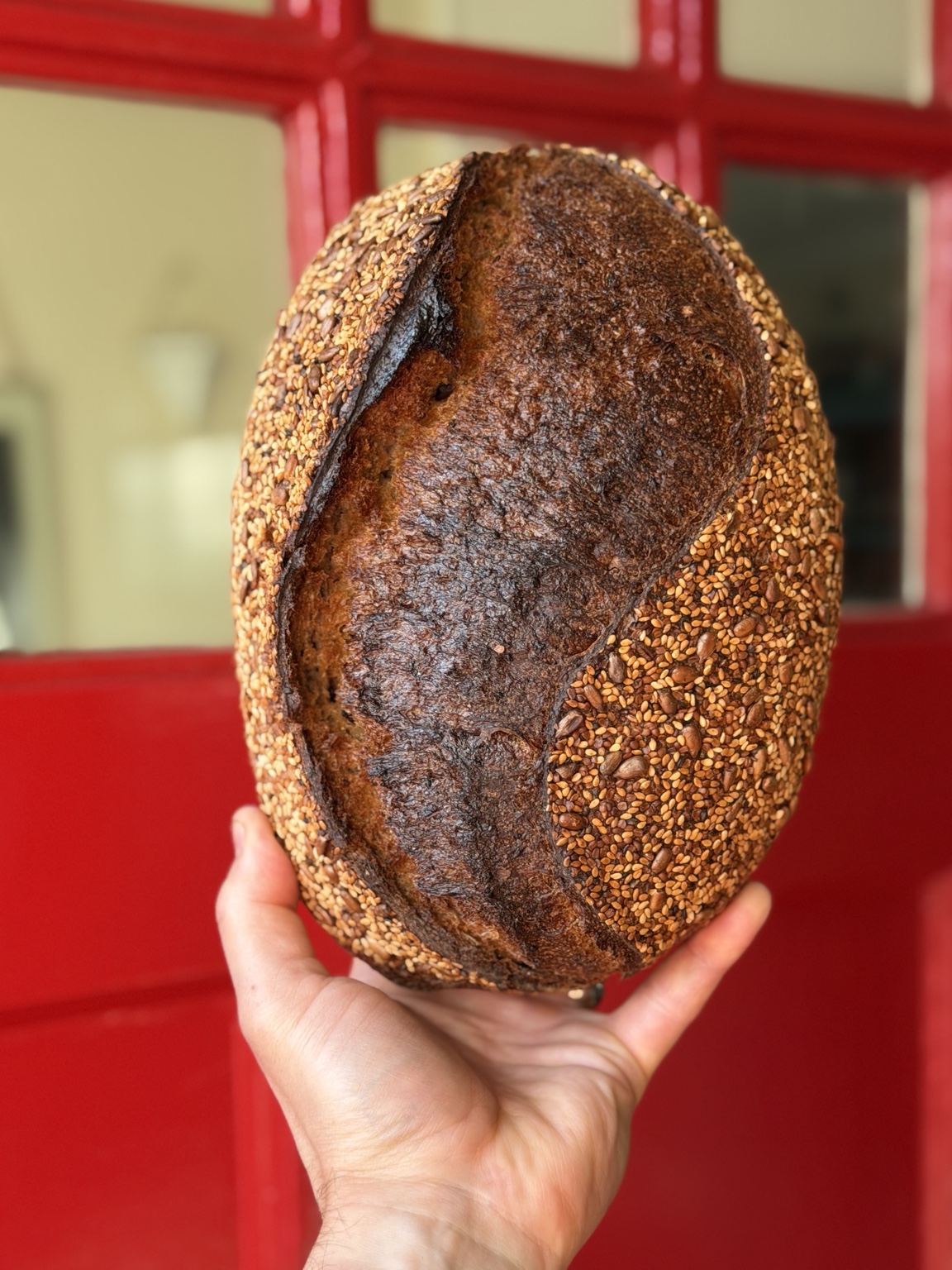
Red Fife, Black Emmer and rye give this loaf a deeper, nuttier character, with chia and flax throughout and a deeply toasted seed crust.
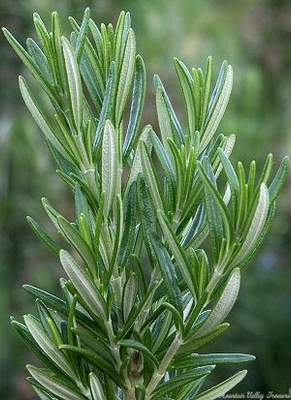
Turkey Red, durum and spelt create a golden, flavorful foundation for slow-roasted garlic and fresh rosemary — savory, aromatic, and built for the dinner table.
The Ministry
Good bread should be enjoyed by all. The FUMC Bread Ministry is an effort to help bridge the gap.
“Give us this day our daily bread.”Matthew 6:11
Why address food insecurity?
Food insecurity can exist anywhere, including in communities that appear comfortable from the outside. For some households, the difference between having enough and coming up short can be surprisingly small.
The Bread Ministry is one practical way to help. With every bake, at least 20% of the loaves we produce are donated to neighbors experiencing food insecurity.
Our Grain Partners
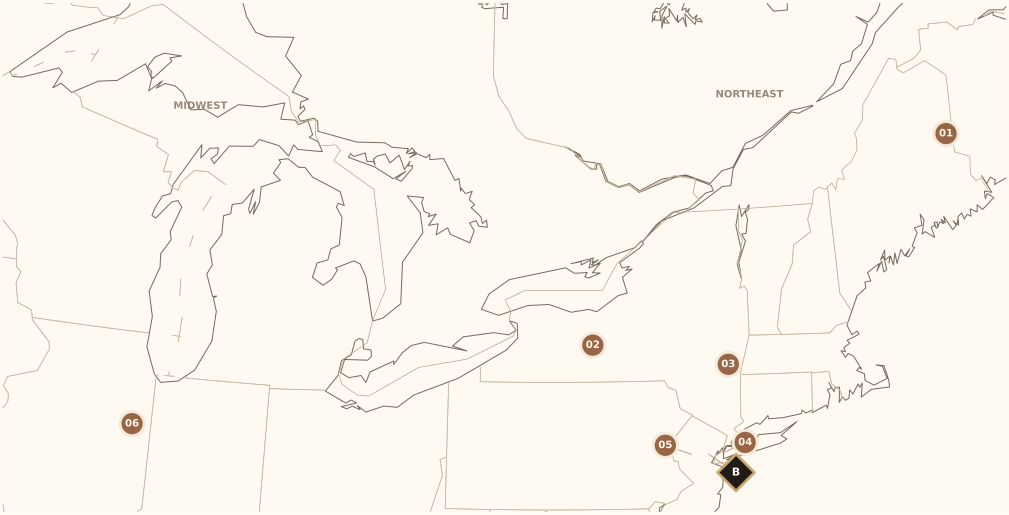
Our grain and flour partners span the Northeast and Midwest. Brooklyn Granary & Mill mills grain from organic and regenerative Northeast farmers in Gowanus, Brooklyn. Janie’s Mill stone-mills certified organic grains in Ashkum, Illinois, including grains grown on Janie’s Farm in nearby Danforth.
Where our grain comes from
Farms and mills across the Northeast and Midwest, with the bread baked in Westfield, New Jersey.
Northeast
01Aurora Mills & FarmLinneus, Maine 02Seneca Grain & BeanPenn Yan, New York 03Stone House FarmHudson, New York 04Brooklyn Granary & MillGowanus, Brooklyn, New York 05Cold Brook FarmOldwick, New JerseyMidwest
06Janie’s Farm + Janie’s MillDanforth & Ashkum, Illinois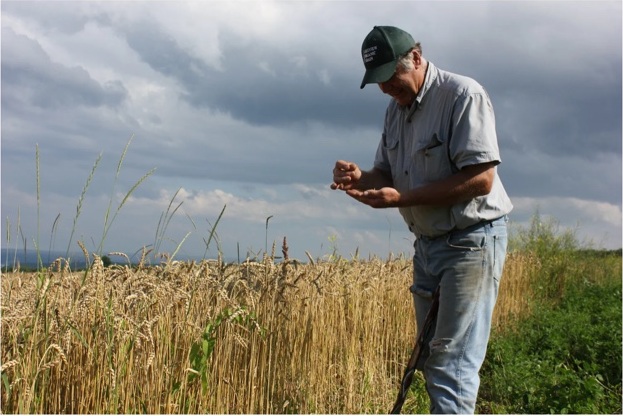
The Process
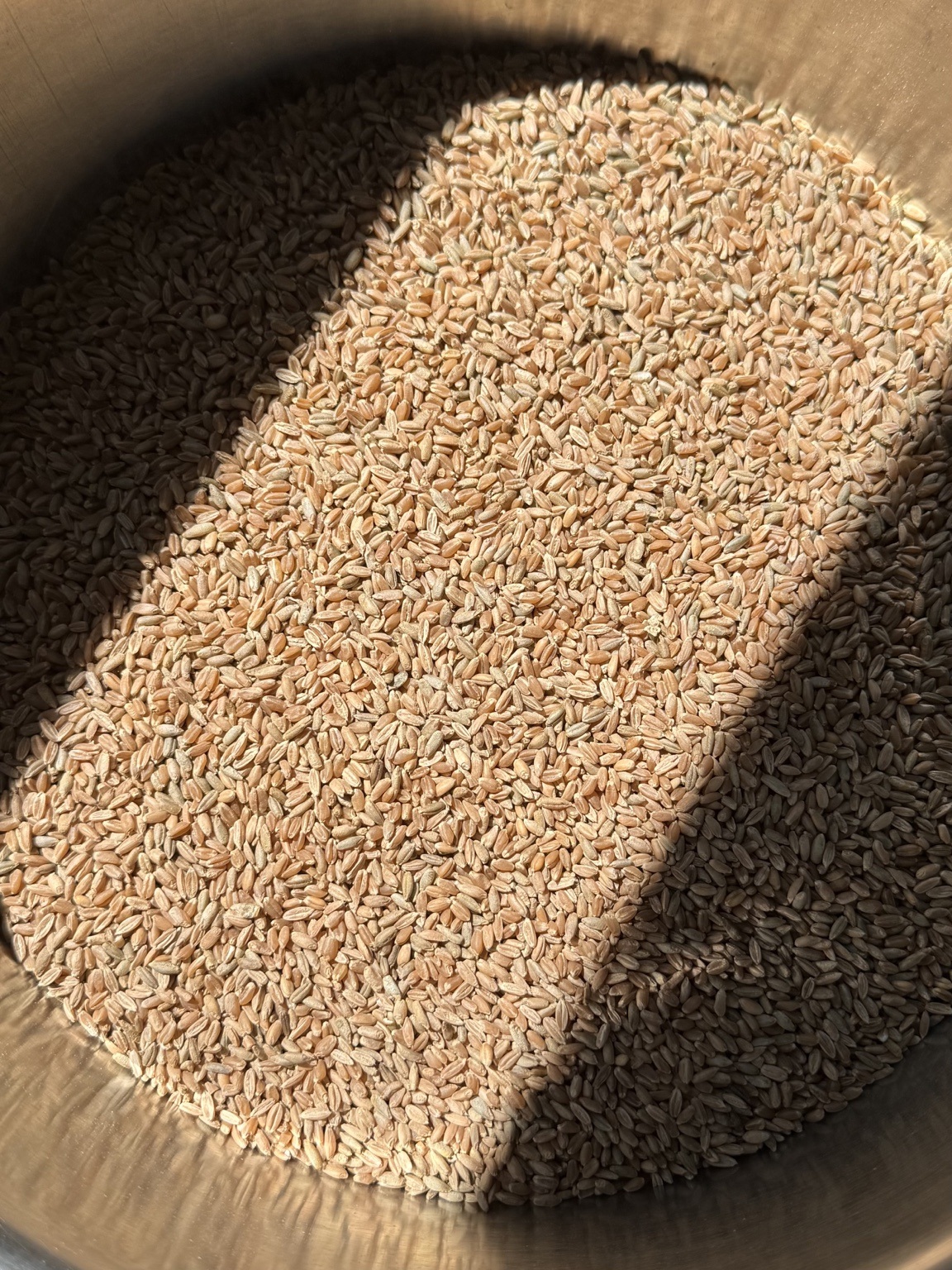
Whole grains are milled into flour close to the bake for fuller aroma and flavor.
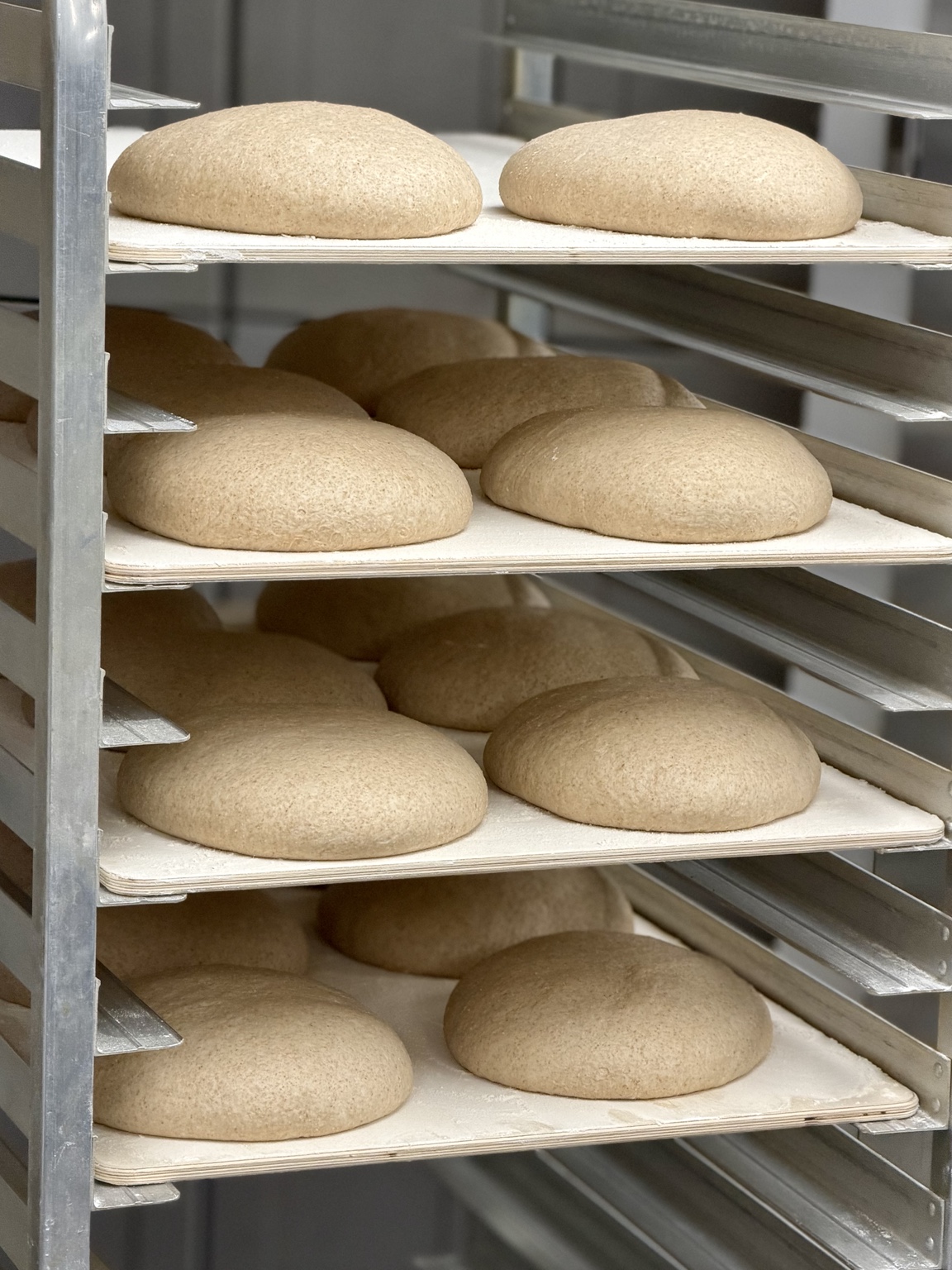
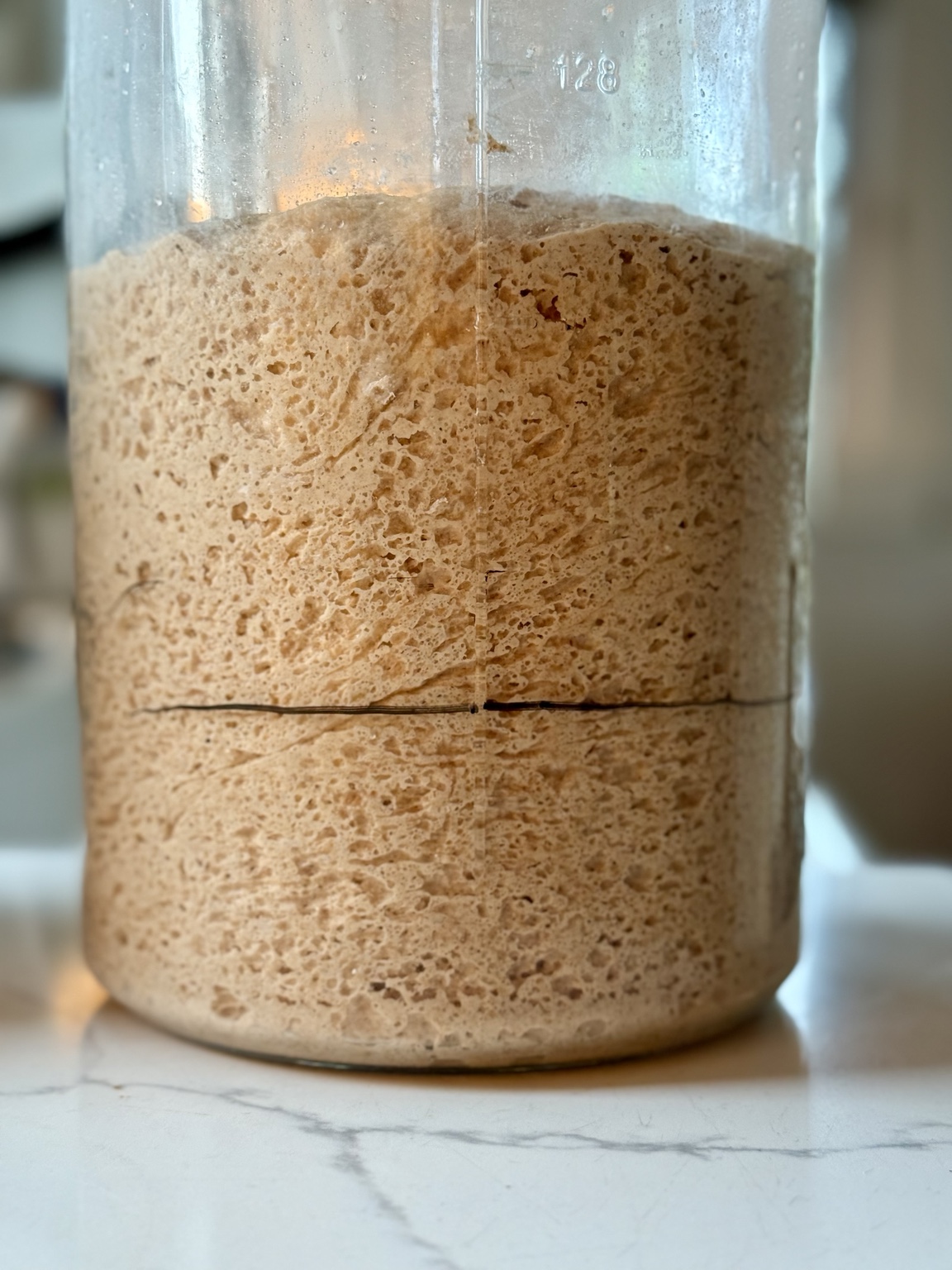
Our doughs are leavened with a sourdough culture rather than commercial yeast, allowing acidity and flavor to develop gradually. Long fermentation and whole-grain fiber help create a more gut-friendly bread while providing fuel for the gut microbiome.
Long fermentation supports better flavor development, easier digestibility, and a stronger, more open crumb structure.
Each loaf is baked for a full crust and a moist interior that holds up to toast, sandwiches, soup, butter, or nothing at all.
Biga Sourdough
The story behind Biga Sourdough — from restaurants and private service to grain, fermentation, and community bread.

I have spent most of my life around food.
I grew up working in restaurants, but when I went to Arcadia University, I initially chose a different path. I studied business and finance with my sights set on Wall Street. By my second year, though, I was wrestling with the idea of returning to cooking. It felt like a significant pivot—and not necessarily the sensible one.
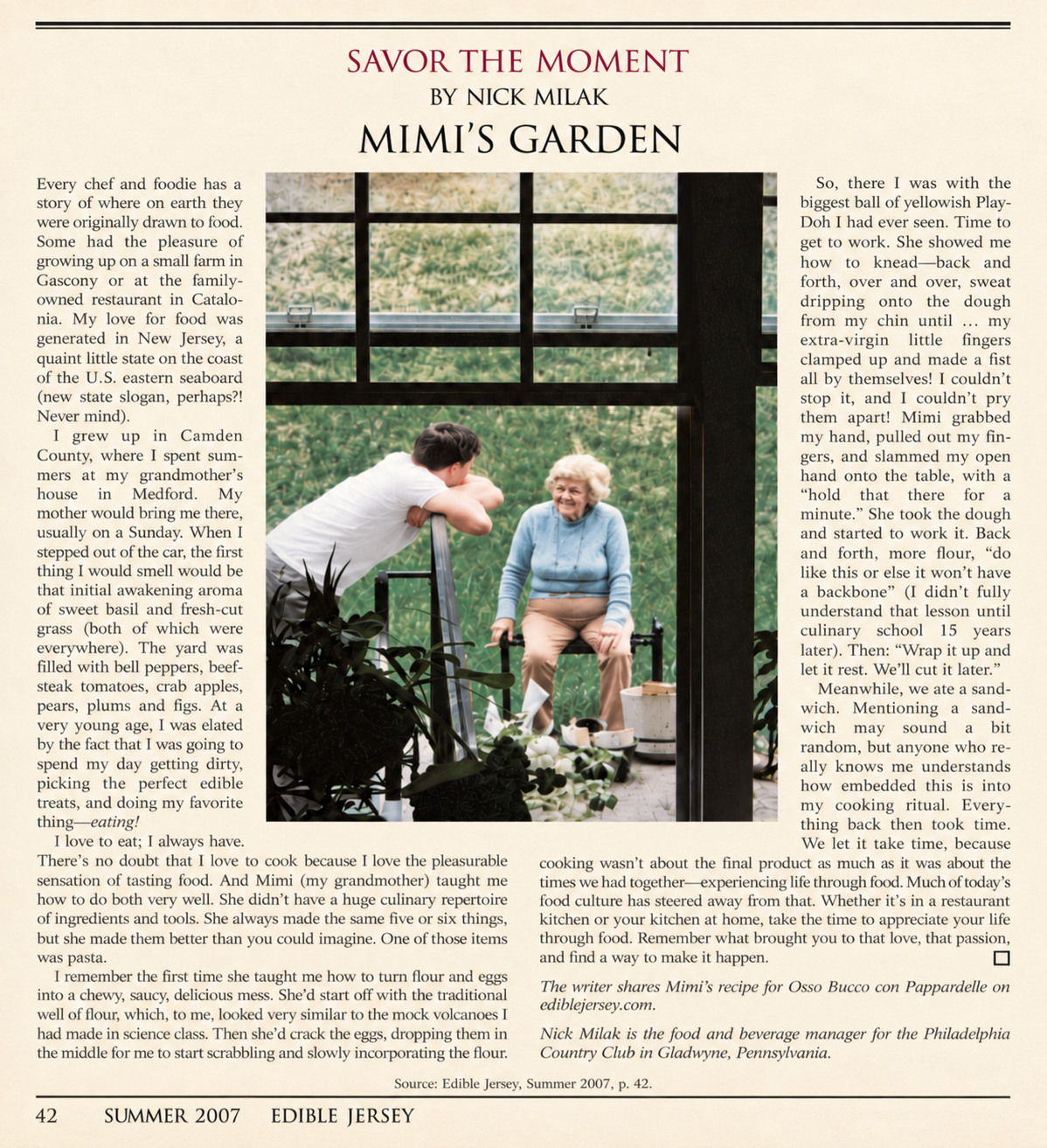
Around that time, my grandmother gave me a piece of advice that changed the direction of my life. Her words, as I remember them, were simple: “If you really want to see what it’s like when food is the culture, go to Italy. And go somewhere they don’t speak English.”
So in 2003, I did. I spent a semester in Perugia, Italy, and apprenticed at Antica Trattoria San Lorenzo. It was there that I began to understand food differently—not simply as something prepared and served, but as an expression of place, shaped by agriculture, season, tradition, and the people gathered around the table.
When I returned to New Jersey, I brought home the idea for Café Biga. The restaurant never opened, but the name—and much of what Italy had taught me—stayed with me.
I went on to study at The Culinary Institute of America and train in the Philadelphia kitchens of Le Bec Fin, Vetri, and the Four Seasons. Since then, I’ve spent 20 years building a career as a private chef and estate manager.
Twenty years later, the name finally found its place—not on a restaurant, but on Biga Sourdough.
Place and community were always central to the idea. Biga began in my home, baking for friends and family, and eventually found a larger home at First United Methodist Church of Westfield. Friends at the church encouraged me to think about what Biga could become beyond my own kitchen—and how we might make a broader impact together.
That collaboration quickly gave Biga its north star: make thoughtfully crafted bread available to the people who seek it, while helping put the same bread on the tables of neighbors for whom it might otherwise be out of reach.
Bread eventually gave me a reason to revisit many of the questions that first interested me in Italy. I became deeply absorbed in sourdough, regional grains, milling, fermentation, baking traditions, and the small decisions that separate a good loaf from a great one. The more I learned, the more the story seemed to begin long before the dough reached my hands.
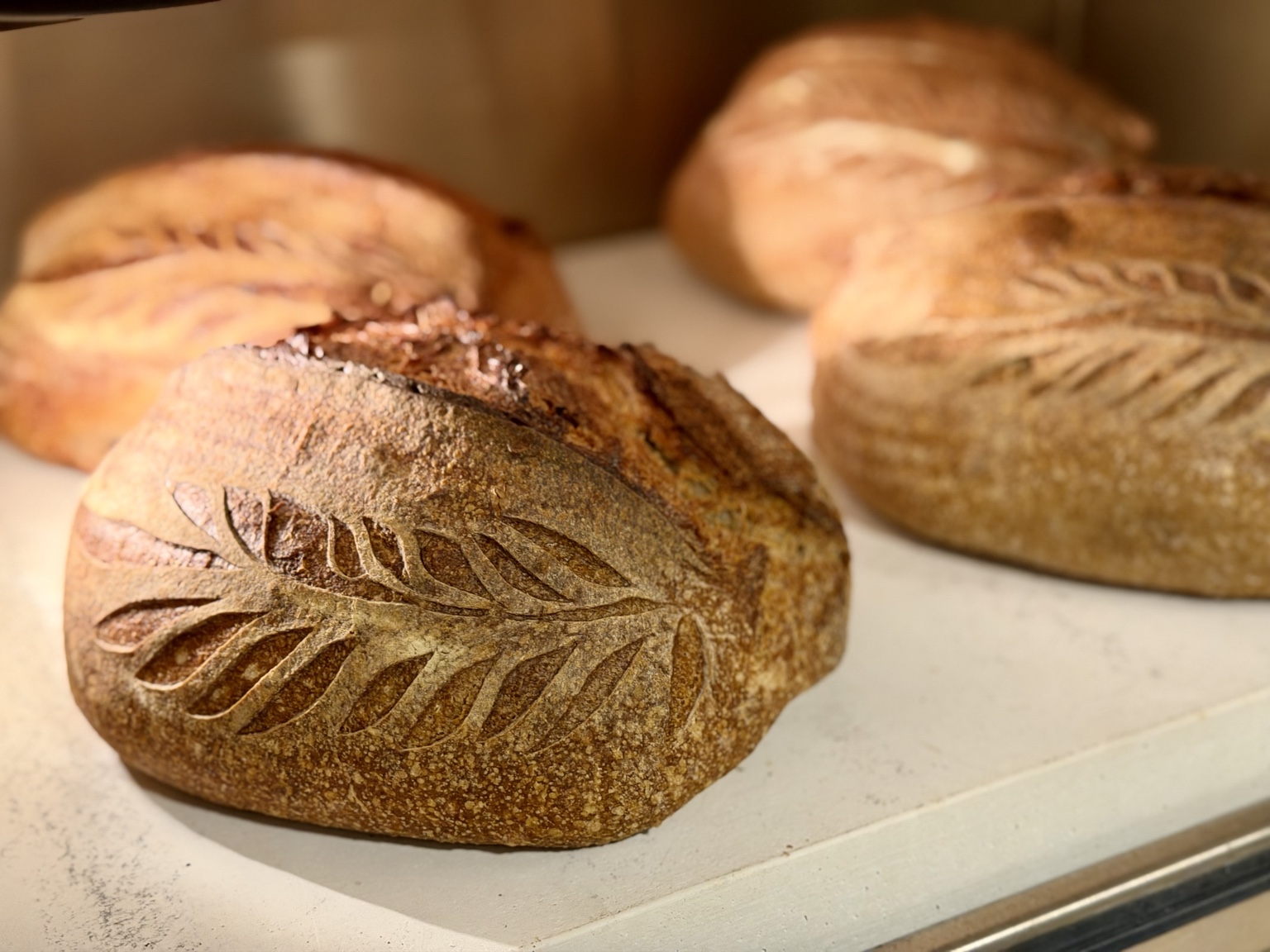
Today, Biga works with grains grown throughout the Northeast and Midwest, chosen for flavor, character, and a clear connection to the people and places behind them. I want to know what I am baking with, who grew it, how it was milled, and what that grain can become with time and fermentation.
For me, that also means allowing the grain to shape the bread, rather than always asking the grain to conform to the formula. Each harvest carries the realities of the season and the field. My responsibility as a baker is to understand those differences, adapt the process, and make the most of what the farmer has grown.
Farmers grow the grain. Millers reveal its character. My job is to understand what arrives and carry that work forward.
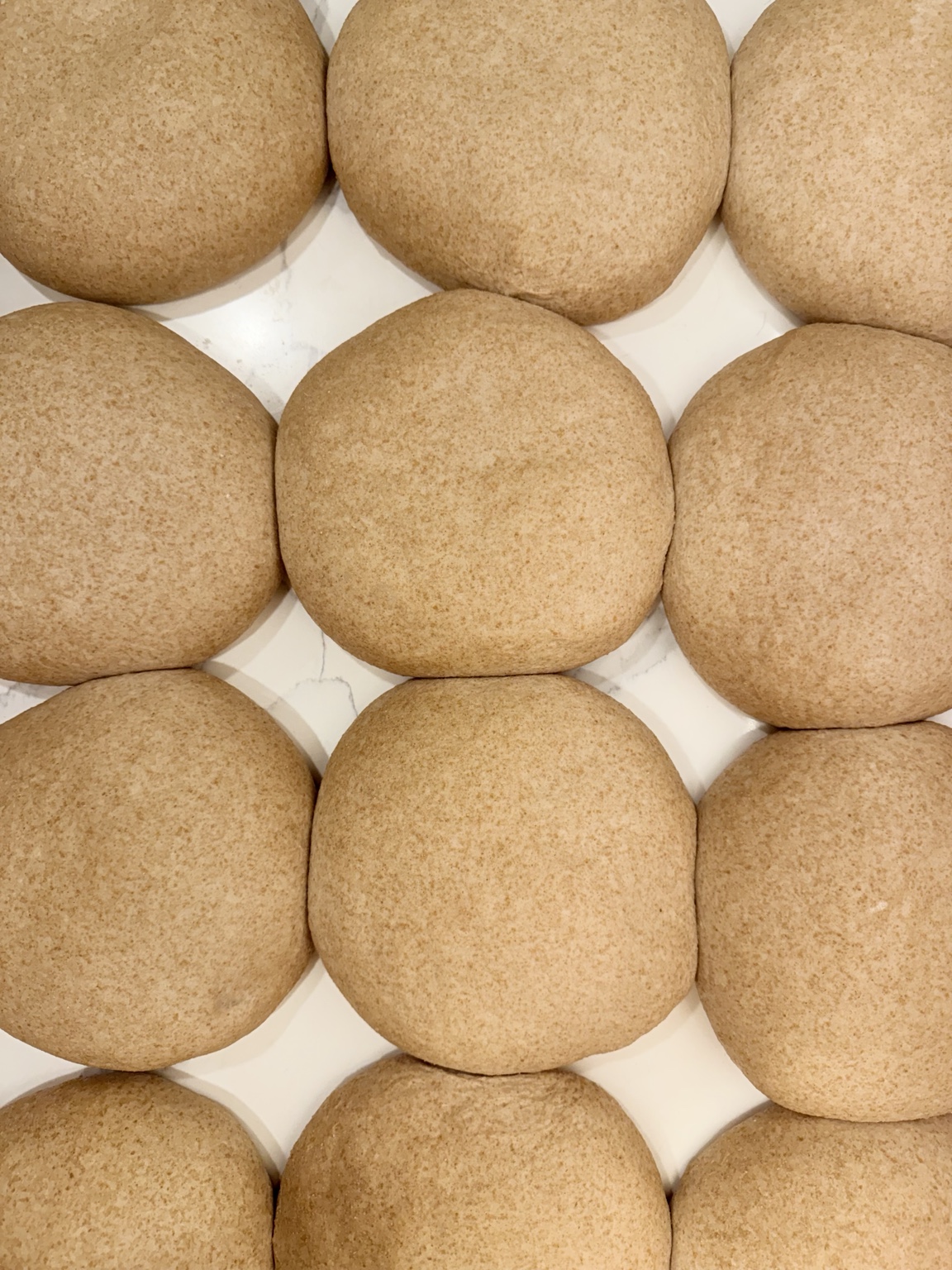
Today, the FUMC Bread Ministry gives that idea a practical form: part of each bake is shared with neighbors in the local community.
Biga is rooted in Westfield, New Jersey, where I live with my wife, two children, and our dog, Bubba. It remains a small, evolving project—growing one bake at a time.
Know the grain. Know the people behind it. Give fermentation the time it deserves. Make bread worth sharing.
Biga Sourdough
The name Biga had been with me since an unrealized restaurant concept years earlier, but when I started making bread again, it came back for a very practical reason.
I was maintaining my sourdough culture very stiff (at a low hydration). As I kneaded it into a ball, it reminded me of a firm pasta dough—or, more accurately, a traditional biga.
That was enough to bring the name back.
A biga is an Italian preferment. Traditionally, a portion of the flour and water is mixed ahead of the final dough with a small amount of baker’s yeast and allowed to ferment slowly. There is no salt, and the classic form is quite stiff, usually around 50 to 60 percent hydration.1
Biga emerged as commercial baker’s yeast began changing European breadmaking in the nineteenth century. Faster, more predictable fermentation brought obvious advantages, but it also shortened a process that had traditionally developed flavor over time. Italian bakers used biga as a practical middle ground—retaining the reliability of baker’s yeast while restoring some of the aroma, complexity, and dough strength of a longer fermentation.1
My starter is naturally leavened rather than built with baker’s yeast, but its stiffness is what first brought biga back to mind. There’s nothing wrong with a little baker’s yeast, either—the point isn’t purity. In the end, what matters most is giving fermentation the time it needs.
That respect for time is the real connection for me. Both biga and sourdough begin fermentation before the final dough is mixed, allowing part of the transformation to happen slowly rather than asking everything to happen at once.
Given enough time, the yeasts, bacteria, enzymes, and acids in sourdough begin changing the grain before the loaf ever reaches the oven.
Whole grains naturally contain phytate, a compound the seed uses to store phosphorus. Phytate can also bind minerals like iron and zinc, making some of them harder for us to absorb. As sourdough becomes more acidic, enzymes called phytases get to work breaking some of that phytate down. How much depends on the grain, extraction rate, acidity, temperature, and fermentation time—but the effect of sourdough fermentation on phytate is well documented.3
Fermentation is changing the carbohydrates, too. Wheat and other grains contain fructans, part of a family of fermentable carbohydrates known as FODMAPs. For some people, these can contribute to bloating and other digestive discomfort. During fermentation, the microorganisms in the dough metabolize a portion of these compounds before we ever eat the bread.4
In fact, for some people who believe gluten is the problem—particularly those with IBS—the trigger may instead be fructans. In a double-blind crossover study of people with self-reported non-celiac gluten sensitivity, fructans produced greater gastrointestinal symptoms than gluten.45
That’s where it became especially interesting to me. Long fermentation wasn’t simply producing a more flavorful loaf; it was changing the flour along the way. Learning more about those changes became part of a broader effort to pay attention to my own gut health and to how the bread I was making made me feel. After all, this was initially just for my family and me.
Fermentation does considerably more than make dough rise.
In the baking world, biga continues to evolve. Piergiorgio Giorilli, one of the bakers most closely associated with the modern method, adapted biga to contemporary flours and bakery conditions and helped carry techniques from traditional breadmaking into modern pizza.2
That evolution is part of what keeps bread interesting to me. These methods have history, but they aren’t static. Bakers inherit them, learn from them, adapt them to the grain and conditions in front of them, and then carry them forward.
I still find it fascinating that ingredients as simple as flour, water, and salt can create nearly endless possibilities. Even flour isn’t really one ingredient. I think about grains much the same way I would vegetables: a carrot isn’t a cucumber, and Red Fife isn’t einkorn. Each brings its own flavor, structure, strengths, and quirks.
Then start changing the extraction rate—how much of the grain remains in the flour. Mill it fresh or let the flour age. Change the season, the field, the harvest, the hydration, the temperature, or the fermentation, and those few simple ingredients suddenly become a nearly limitless number of possibilities.
Maybe that’s why the honest answer to so many questions in bread is simply:
It depends.
Sources